
Just when it seems like online video has reached its creative limits, a new shift is already forming on the horizon: spatial video. Unlike traditional flat footage, spatial video brings depth, immersion, and realism to everyday content, making viewers feel like they’re inside the scene rather than watching it through a window. With tech companies pushing 3D capture and immersive playback devices, YouTube appears ready to embrace a new viewing era—one that could redefine entertainment, education, and creator storytelling.
A New Layer of Immersion for Everyday Creators
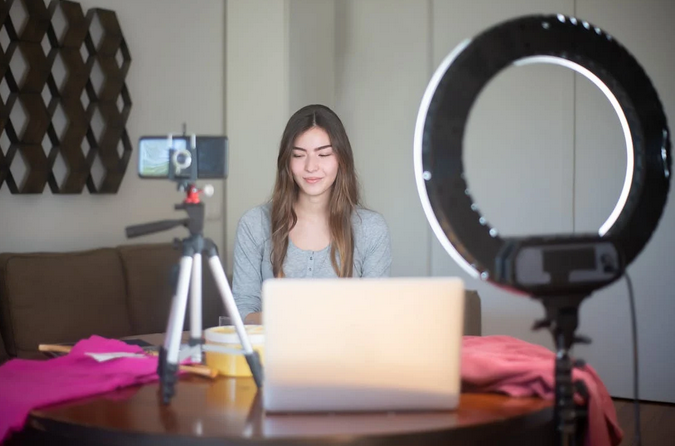
Spatial video doesn’t just change how viewers watch—it changes what creators can make. Routine vlogs, travel diaries, and reaction videos suddenly become more lifelike when captured with depth. As creators prepare to experiment with this new format, many are also looking for ways to stay competitive, sometimes researching safe websites to buy YouTube subscribers as they anticipate rising audience expectations and higher production standards. The shift to 3D content will likely spark a wave of experimentation from both newcomers and established channels.
What Creators Need to Capture 3D Content
While spatial videos sound high-tech, the tools to create them are becoming surprisingly accessible. Smartphones with built-in depth sensors and consumer 3D cameras make it possible for creators to capture immersive footage without expensive setups. Editing tools are evolving too, offering simple interfaces for adjusting depth, stabilizing 3D motion, and previewing immersive scenes before uploading. As the technology becomes mainstream, 3D storytelling could soon feel just as natural as filming with a standard phone.
How Spatial Video Makes Viewers Feel Present

One of the biggest draws of spatial video is its ability to make viewers feel physically present in a scene. Watching a cooking demonstration could feel like standing in the kitchen, while a travel vlog might place you directly inside a bustling market or a mountaintop view. This sense of presence creates a stronger emotional connection between creators and audiences, potentially increasing engagement, watch time, and viewer loyalty. The line between viewer and participant begins to blur in the most exciting ways.
3D Storytelling Opens New Creative Possibilities
Storytelling in spatial video doesn’t follow the same rules as traditional filming. Creators must think about positioning, movement, and angles in three dimensions, not just left and right. This opens up fresh narrative possibilities: a fitness instructor can guide a viewer from multiple perspectives, a DIY creator can showcase projects with more clarity, and educators can place viewers inside science experiments or historical recreations. The shift encourages more interactive and intuitive storytelling styles that flat video simply cannot match.
Evolving Devices to Match the Content
As spatial video becomes more common, playback devices will evolve right alongside it. Headsets, spatial displays, and even advanced mobile screens will make immersive viewing more comfortable and accessible. The combination of YouTube’s massive library and emerging 3D hardware could accelerate the adoption of immersive media faster than previous technologies like VR or 360° video. When the content is easy to create and effortless to watch, audiences naturally follow.
Spatial video represents one of the most exciting transformations in YouTube’s history. By adding depth and realism to everyday content, creators can connect with audiences in richer, more engaging ways. As the tools to capture and watch 3D footage continue to evolve, spatial video may soon become a staple of the platform, reshaping storytelling and expanding what online video can be. The future of YouTube is more immersive than ever—and we’re only just stepping into the third dimension.